Commercial Irrigation Inspections: A Facility Manager’s Guide
Jun 26, 2026
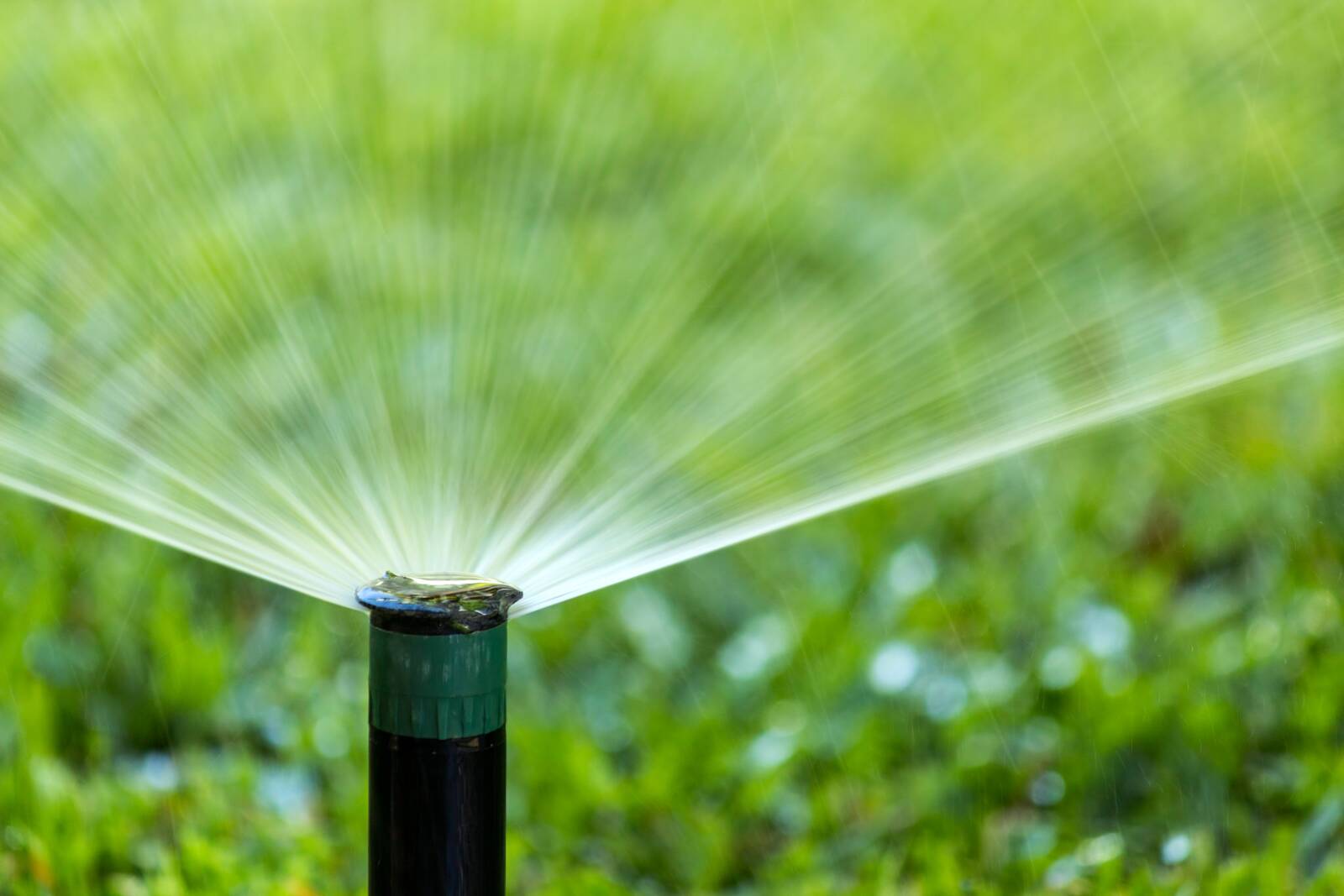
What a Commercial Irrigation Inspection Includes (and Why It Protects Your Property)
If you manage a commercial property, your irrigation system quietly drives both your water bill and the appearance of your landscape. A routine commercial irrigation inspection is the lowest-cost way to keep both under control.
What is a commercial irrigation inspection?
A commercial irrigation inspection is a scheduled assessment of an entire irrigation system, performed by a trained technician while the system is running. Rather than waiting for a visible failure, the technician verifies that every component, from the controller in the utility room to the heads in the field, is operating correctly and efficiently. The result is a clear picture of system health and a prioritized list of any repairs.
What does a commercial irrigation inspection include?
A thorough inspection covers six core areas plus an overall performance review:
1. Controller operation and programming
- Confirm the controller powers on and keeps the correct time
- Review start times, run times, active days and schedules
- Check multiple programs, seasonal adjustments and battery backup
2. Backflow preventer and connections
- Inspect the visible backflow assembly, fittings and connections
- Look for leaks, corrosion, damage or worn components
- Verify condition as part of the overall system inspection
3. Mainline pressure and leak check
- Inspect the mainline for leaks and signs of water loss
- Check for pressure concerns or irregular system performance
- Look for damaged fittings and possible underground failures
4. Valve operation
- Test electrical activation and proper response
- Verify valves open, close and shut off completely
- Identify sticking valves, leaking valves or worn components
5. Zone line and coverage inspection
- Run each zone individually during the inspection
- Check zone line leaks, pressure consistency and operation
- Identify dry spots, overspray, pooling and areas needing adjustment
6. Sprinkler head performance
- Inspect large rotors, impact heads and gear-driven heads
- Check spray pop-ups, nozzles, arcs, radius and alignment
- Find broken, clogged, low, tilted or non-functioning heads
Overall system performance evaluation
With the system running, the technician watches for noticeable performance problems: misting, overspray onto pavement, uneven coverage, blocked heads, drainage concerns, plant stress, and opportunities to improve water efficiency. This running observation often surfaces issues that a static, component-by-component check would miss.
What problems do irrigation inspections commonly find?
Most commercial systems develop the same recurring issues. An inspection routinely catches:
- Broken sprinkler heads and clogged nozzles
- Stuck valves and rotors that fail to rotate
- Mainline or zone leaks, including hidden underground failures
- Incorrect controller programming and skipped seasonal adjustments
- Low or high pressure across zones
- Overspray onto walks and parking lots
- Dry turf, plant stress and water pooling from concealed leaks
Why do routine irrigation inspections matter for property & facility managers?
For property and facility managers, an irrigation inspection is a budgeting and risk tool, not just a maintenance task. Regular inspections:
- Reduce water waste and lower operating costs
- Protect the landscape investment already in the ground
- Extend the service life of controllers, valves and heads
- Prevent unexpected emergency repairs and mid-season failures
- Maintain a professional, well-kept property appearance for tenants and visitors
- Support documentation for backflow and water-use compliance
A single undetected mainline leak can quietly add hundreds of dollars to a monthly water bill while undermining the turf it is supposed to feed. Inspections turn that hidden, variable risk into a planned, predictable line item.
How often should a commercial irrigation system be inspected?
In the Ohio Valley, freeze-thaw cycles and hard winters are tough on irrigation components, which makes a structured seasonal cadence especially valuable for properties in Cincinnati, Dayton and Northern Kentucky:
- Spring activation: pressurize the system, inspect for winter damage, and confirm programming before the growing season
- Mid-season checks: verify coverage and pressure during peak watering, ideal for larger portfolios
- Fall and winterization: inspect and blow out the system to prevent freeze damage to lines and backflow assemblies
Note that many Ohio and Kentucky municipalities require annual backflow assembly testing by a certified tester. Scheduling that test alongside a seasonal inspection keeps the property compliant and avoids a separate service trip.
Frequently asked questions
How long does a commercial irrigation inspection take?
It depends on system size and the number of zones, since each zone is run and observed individually. Smaller properties may take under an hour, while large multi-zone sites take longer. Your contractor can estimate the time once they know the system layout.
Will an inspection disrupt my property or tenants?
Inspections are typically non-disruptive. Most of the work happens at the controller and in landscaped areas, and zones can usually be run outside of peak foot-traffic hours to keep walkways clear of overspray.
How much does a commercial irrigation inspection cost?
Cost varies with system size, zone count and site conditions, so pricing is quoted per property. Call us with your property details and we will provide a clear estimate.
Protect your landscape investment
Schedule a commercial irrigation inspection with the GroundSystems team.