Are They Ready When the Storm Hits? – Operational Readiness Essentials
Nov 24, 2025
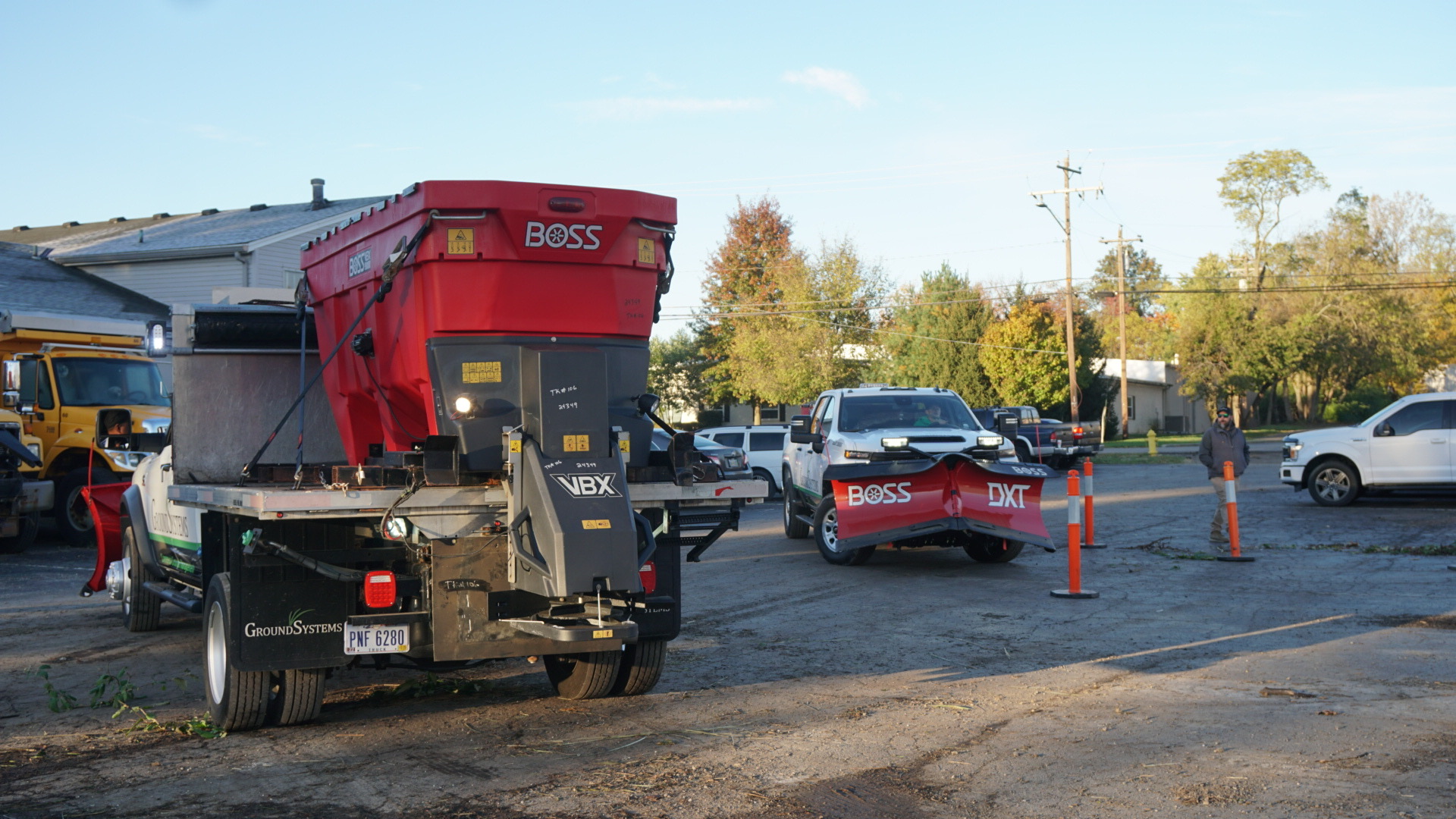
When the first snowflake falls, it’s too late to wonder if your contractor is ready. True reliability starts months before the season begins — with planning, resources, and systems that ensure they can perform when the weather turns.
Operational readiness is the foundation of every professional snow and ice management program. It’s not about how many trucks they own; it’s about how well-prepared those trucks, crews, and supply chains are to respond — fast and effectively.
Here’s what to look for when assessing your contractor’s operational readiness.
1. Salt Inventory & Supply Chain
Salt is the heartbeat of winter operations. Without a dependable supply, even the most capable crews are powerless.
Ask these questions:
-
How many tons of salt do they have on hand before the season starts?
-
Where is it stored — and is that location accessible during storms?
-
Who are their suppliers, and what’s the backup plan if salt runs low or prices spike mid-season?
A professional provider can explain their sourcing strategy in detail and show proof of secured inventory. If they can’t, you may be one bad storm away from bare pavement turning into black ice.
2. Load Site Proximity
Location matters. If your contractor’s load sites are too far from your properties, response times will suffer — especially during back-to-back snow events.
Evaluate:
-
How close is the nearest salt or equipment staging site?
-
How are routes organized to minimize travel time between sites?
3. Equipment Readiness
Even the best crews can’t perform without the right tools. Equipment readiness means more than owning plows — it means having the correct type, quantity, and maintenance program to meet your site’s needs.
Ask for details on:
-
Equipment allocation specific to your site or region
-
Whether equipment is company-owned or subcontracted
-
Backup units available in case of breakdowns
Professionals also keep a preventive maintenance schedule, with preseason inspections and mid-season servicing to prevent downtime when storms hit hardest.
4. Maintenance & Contingency Planning
Breakdowns happen — but they shouldn’t derail service. A well-prepared contractor has a documented maintenance plan and a contingency protocol for mechanical failures or crew absences.
Look for signs of organization:
-
Maintenance logs and inspection records
-
Access to on-call mechanics or equipment swaps
These systems separate true professionals from those who “wing it” once the storm hits.
5. Load-Out Efficiency & Mobilization Timing
Every minute counts during a snow event. A contractor’s ability to mobilize quickly — load, deploy, and communicate — can determine whether your property is clear before tenants or employees arrive.
Ask how they:
-
Track weather alerts and mobilization triggers
-
Dispatch crews and equipment during storms
-
Handle site prioritization and escalation
The Takeaway
Operational readiness is about preparation, not promises. A well-qualified contractor can clearly show their systems, supply chain, and contingency plans. Those details reveal far more than a line item on a proposal — they show whether your provider is equipped to perform under pressure.
Up Next: Part 3 – Who’s Really in Charge? Understanding Management & Accountability
In Part 3, we’ll move from logistics to leadership — breaking down how the best contractors maintain oversight, communication, and accountability throughout every storm event.
Before you compare proposals, make sure you’re evaluating the right factors. Our Contractor Qualification Checklist is designed to help property and facility managers identify qualified, reliable commercial landscaping and snow partners — before signing the contract.